
Leading Products For Basement Walls Waterproofing Solutions
Explore top-rated waterproofing products designed to protect your basement walls from moisture and water damage effectively.
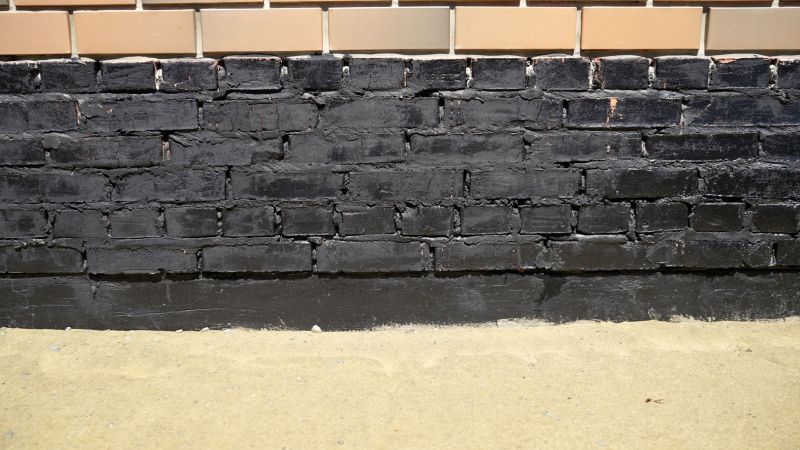 Basement wall waterproofing products are essential components in maintaining the structural integrity and dryness of a basement space. These products are designed to prevent water infiltration, which can lead to issues such as mold growth, structural damage, and unpleasant odors. When selecting waterproofing solutions, it is important to consider the specific needs of the basement, including the type of foundation, the severity of water intrusion, and the existing wall materials.
Top Overall Option
Flexible Waterproof Coating
A versatile liquid waterproof coating that adheres well to various wall surfaces, providing a seamless barrier against moisture. Easy to apply with brush or roller, it offers flexibility to accommodate minor wall movements and cracks. Suitable for both interior and exterior use, it is a popular choice for DIY projects and professional applications alike.
Types of Products For Basement Walls Waterproofings
Liquid Waterproof Coatings
Paint-like coatings that form a waterproof barrier when applied to basement walls, ideal for sealing minor cracks and creating a moisture-resistant surface.
Waterproofing Membranes
Sheet or rolled membranes that are adhered or mechanically fastened to walls to prevent water ingress, often used in exterior applications.
Sealants and Caulks
Flexible sealants used to fill cracks and joints, preventing water from seeping through small openings in basement walls.
Drainage Panels
Specialized panels installed on exterior walls to direct water away from the foundation, reducing hydrostatic pressure.
Cementitious Waterproofing
Pre-mixed cement-based products that are applied directly to walls for a durable, water-resistant surface.
Waterproofing Paints
Specialized paints designed for basement walls that provide an extra layer of moisture resistance.
Polyurethane Foam
Expanding foam used to fill larger cracks and voids, offering both insulation and waterproofing benefits.
Epoxy Coatings
High-performance coatings that create a tough, waterproof barrier suitable for areas with high moisture levels.
Hydrophobic Sealants
Sealants that repel water, helping to keep basement walls dry by preventing moisture absorption.
Exterior Waterproofing Systems
Comprehensive solutions including membranes, drainage, and coatings installed on the outside of the foundation walls.
Interior Drainage Systems
Drainage channels and panels installed inside the basement to redirect water away from walls and reduce hydrostatic pressure.
Bituminous Coatings
Asphalt-based coatings that provide a durable waterproof layer for basement walls, often used in foundation repairs.
Rubberized Coatings
Flexible, rubber-like coatings that adhere to walls and provide waterproofing with some degree of elasticity.
Polyethylene Sheeting
Plastic sheeting used as a vapor barrier or moisture barrier on interior or exterior walls.
Crack Injection Systems
Specialized resins injected into cracks to seal and stabilize walls against water penetration.
Popular Choices
A widely used liquid coating that provides a seamless moisture barrier and is suitable for various wall surfaces.
Rolled membranes that create a durable barrier against water intrusion, often used in exterior applications.
Flexible sealants ideal for sealing cracks and joints to prevent water seepage.
Panels designed to facilitate water drainage and reduce pressure on basement walls.
Pre-mixed cement-based products suitable for direct application on basement walls for added protection.
Specialized paints that add an extra moisture-resistant layer to basement walls.
High-strength coatings used in areas with high moisture or water exposure.
Sealants that repel water and help keep basement walls dry.
Complete exterior solutions that include membranes and drainage to protect the foundation.
Systems installed inside the basement to manage water and reduce hydrostatic pressure.
Durable asphalt-based coatings suitable for foundation repairs and waterproofing.
Elastic coatings that adapt to wall movements while providing a waterproof barrier.
Plastic sheeting used as a vapor barrier or moisture barrier in basement construction or repair.
Resin injection systems that seal cracks and prevent water from entering through them.
There are various types of waterproofing products available, each suited to different applications and conditions. Some products are applied externally before construction or during foundation repairs, creating a barrier that prevents water from penetrating the walls. Others are designed for interior use, sealing cracks and providing a moisture-resistant coating to walls already exposed to water issues. Proper installation and maintenance are critical to ensure the longevity and effectiveness of these waterproofing systems.
Choosing the right product involves understanding the various options, from liquid coatings and sealants to membrane systems and drainage panels. Each type offers unique advantages, such as ease of application, flexibility, or durability. It is also important to consider the compatibility of the product with existing wall materials and the specific environmental conditions of the basement. Consulting with a professional or conducting thorough research can help identify the most suitable solutions for your basement waterproofing needs.
Ultimately, effective basement wall waterproofing can contribute significantly to a dry, safe, and healthy living environment. Regular inspections and timely upgrades of waterproofing systems can help prevent costly repairs and preserve the value of the property over time. Whether for new construction or an existing basement, selecting the appropriate waterproofing products is a proactive step toward safeguarding your home from water damage.
Key Buying Considerations
- Assess the severity and source of water intrusion to choose appropriate waterproofing solutions.
- Determine whether exterior or interior waterproofing is more suitable for your basement conditions.
- Consider the compatibility of the product with existing wall materials and finishes.
- Evaluate ease of application, especially if planning a DIY project.
- Check for flexibility and ability to accommodate minor wall movements or cracks.
- Review the durability and lifespan of the waterproofing product under your specific conditions.
- Identify if additional drainage or vapor barriers are necessary for comprehensive protection.
- Ensure the product is suitable for both new construction and existing structures if needed.
- Examine the environmental conditions, such as humidity levels and soil type, that could affect performance.
- Consider the potential need for professional installation for complex systems.
- Review safety instructions and proper handling procedures for the products.
- Look into warranty or guarantee options offered by manufacturers.
- Research local building codes and regulations related to waterproofing materials.
- Evaluate cost-effectiveness in relation to the level of protection provided.
- Plan for regular inspections and maintenance to ensure ongoing effectiveness.